Kalyan Varma — Indian Wildlife Filmmaker & Photographer
"I think the whole point of wildlife filmmaking is simple: to help people feel a real connection with nature."
Kalyan Varma · Indian Wildlife Filmmaker · National Award Winner
Scroll
"I think the whole point of wildlife filmmaking is simple: to help people feel a real connection with nature."
Kalyan Varma · Indian Wildlife Filmmaker · National Award Winner
About Kalyan Varma
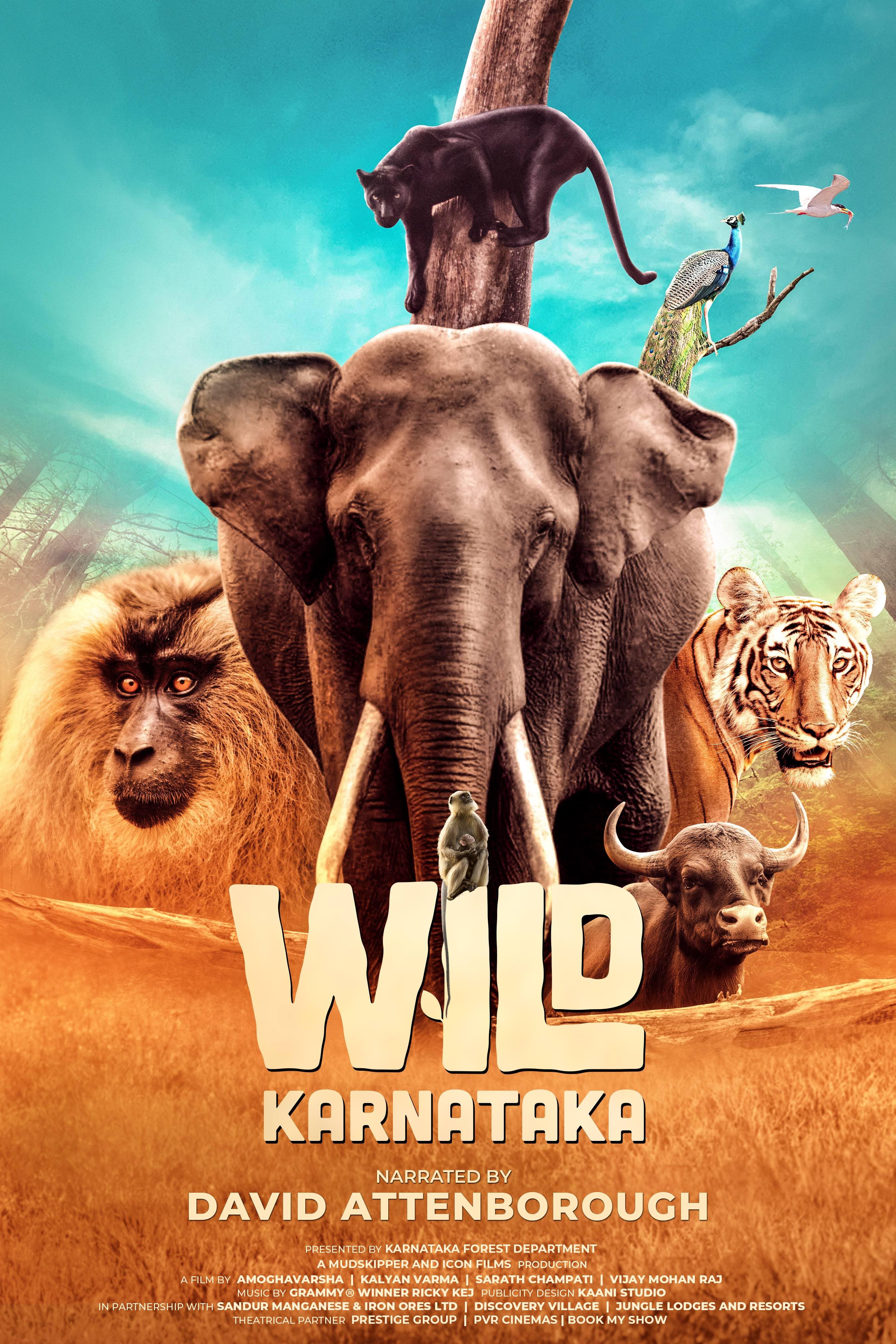
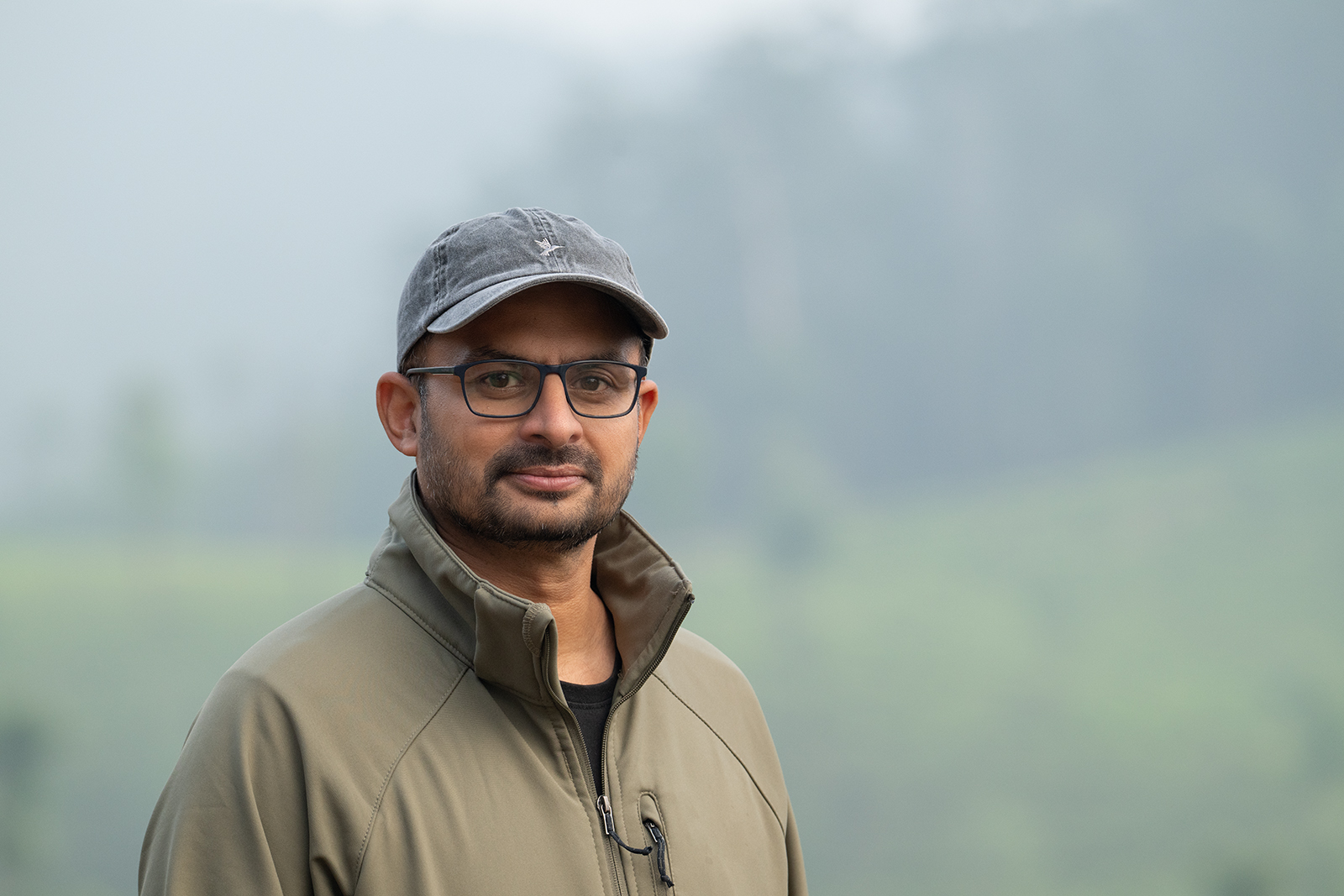
I'm an Emmy-nominated Indian wildlife filmmaker and photographer. National Award winner for Wild Karnataka (2021) and BBC Wildlife Photographer of the Year — I believe cinema can make the natural world felt as much as seen. Over the last two decades, my work has evolved from still images in India's forests and grasslands to cinematic explorations of entire ecosystems for BBC, Netflix, National Geographic, and Disney+.
I like unpacking the relationships between species, places, and people, and sharing that in a way that resonates beyond the usual nature-film audience.
At its core, filmmaking for me is about connection. A great sequence is a doorway into understanding why a species matters, why that moment exists, and why we should care. I've always felt that nature films today need to be crafted with the same emotional and narrative force you'd find in mainstream cinema, because attention spans are short and the world is loud. Films have to feel immersive, alive, and relevant, not distant or academic.
I came to filmmaking through photography, spending years in wild places gathering images, following behaviours, and learning from biologists, trackers, forest guards, and local communities. Being in the field isn't about witnessing the dramatic all the time. It's about knowing when to wait, when to let life unfold, and how to interpret behaviour visually.
For every project, I try to balance science and sensory experience. I want audiences to feel the weight of a fog bank rising over hills, to feel the grit of sand under a nocturnal sky. At the same time, the stories I choose to tell, be they about iconic species or overlooked ones like the Madras hedgehog, are anchored in ecological context and human coexistence. That balance is important: it reminds viewers that wild places aren't just pretty pictures, they're living systems that are meaningful to people as well as wildlife.
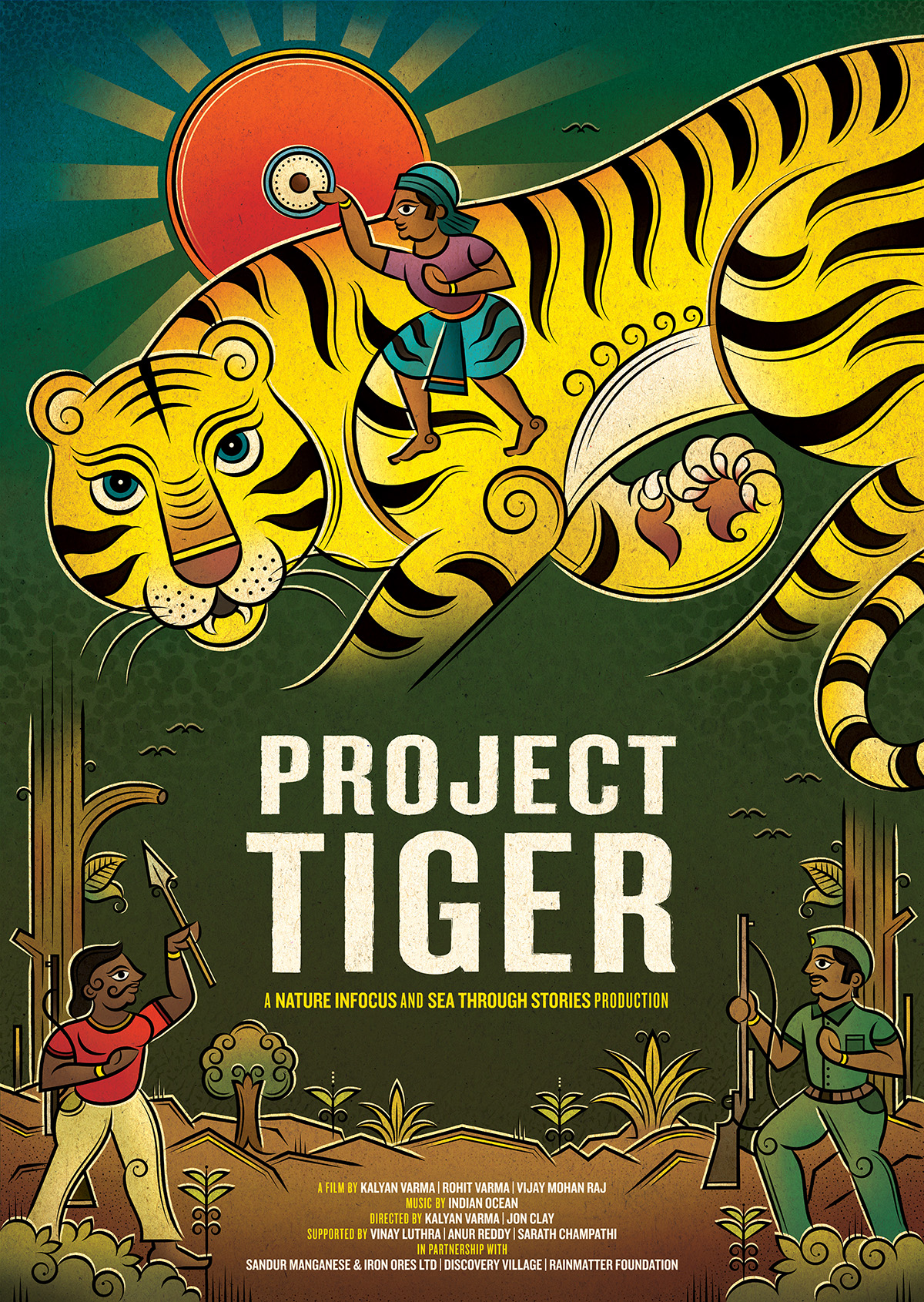
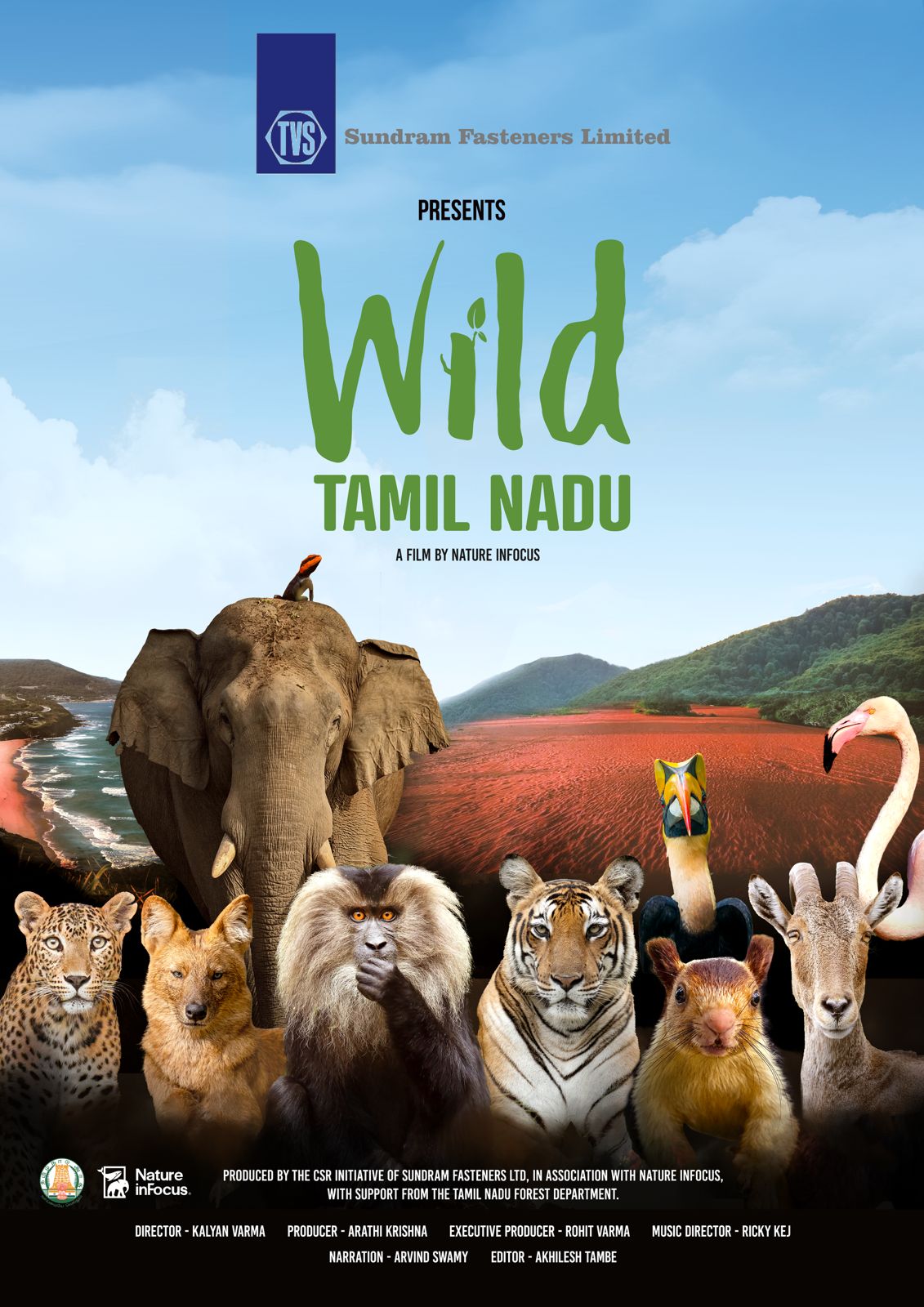
My original films include Wild Karnataka, Project Tiger, and Wild Tamil Nadu.
Outside of fieldwork, I've been involved in initiatives that support visual storytelling communities and conservation narratives in India. I co-founded platforms like India Nature Watch and Nature inFocus to help photographers and filmmakers connect, collaborate, and refine their craft, believing that strong voices and diverse perspectives are critical to how we understand and protect nature.
Full Biography of Kalyan Varma →Long-form Projects
Read the chapters from start to end, in sequential order.
Demon or Deity · Elephant Conflict
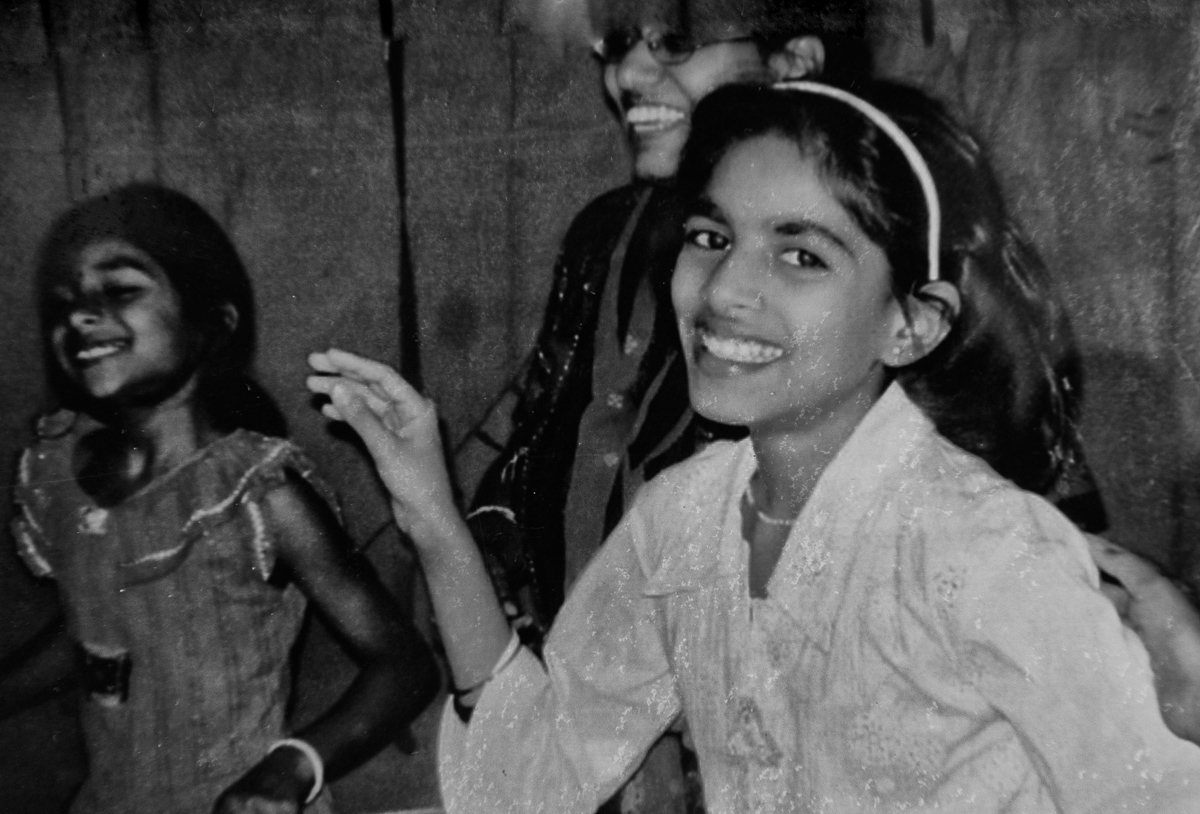
In one instant of random chaos, a carefree schoolgirl and an enraged elephant crossed paths.
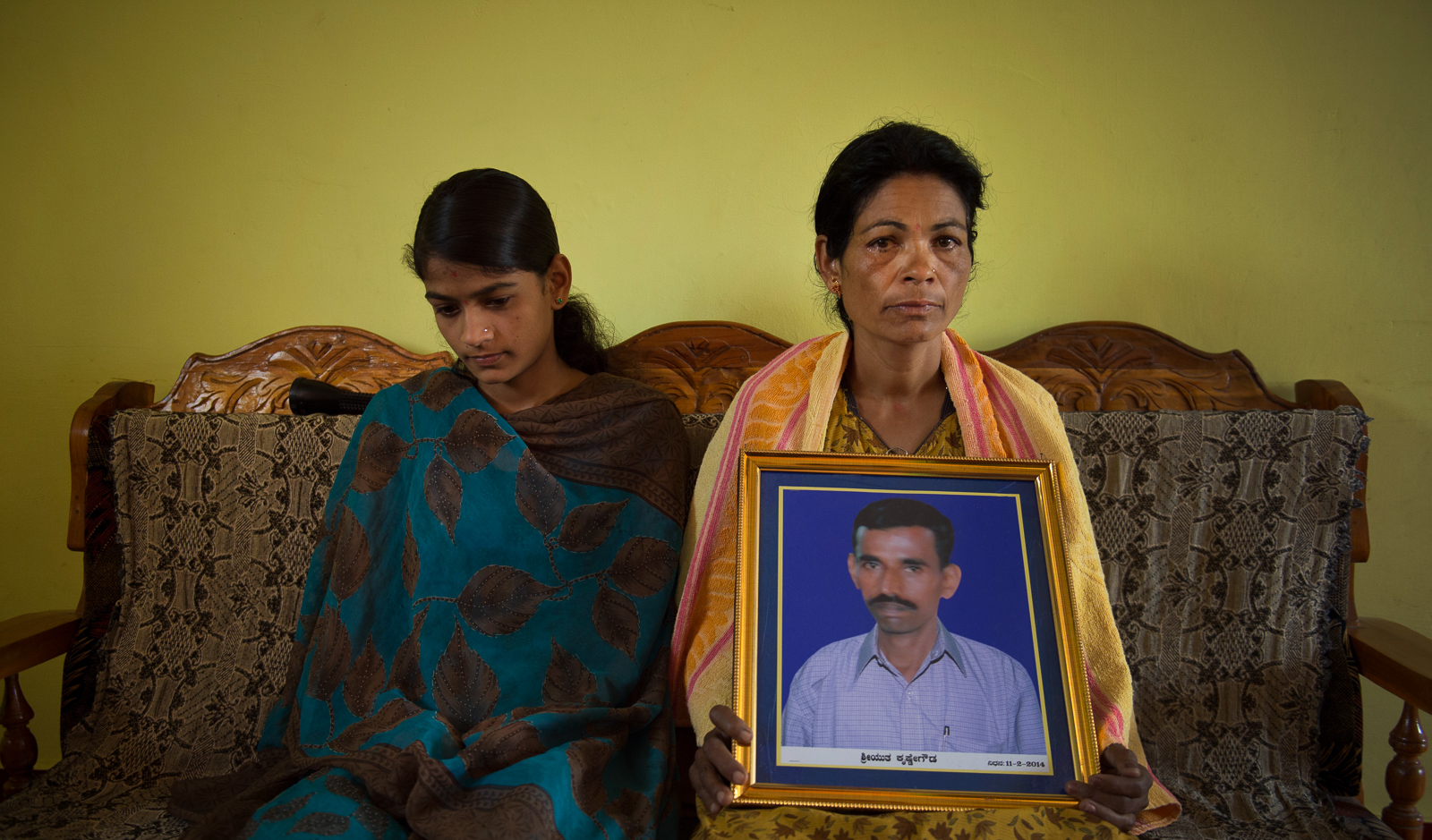
Man and elephants confront each other in the farms and forests of Karnataka.
As conflict escalates, an activist court and a dedicated task force come together.
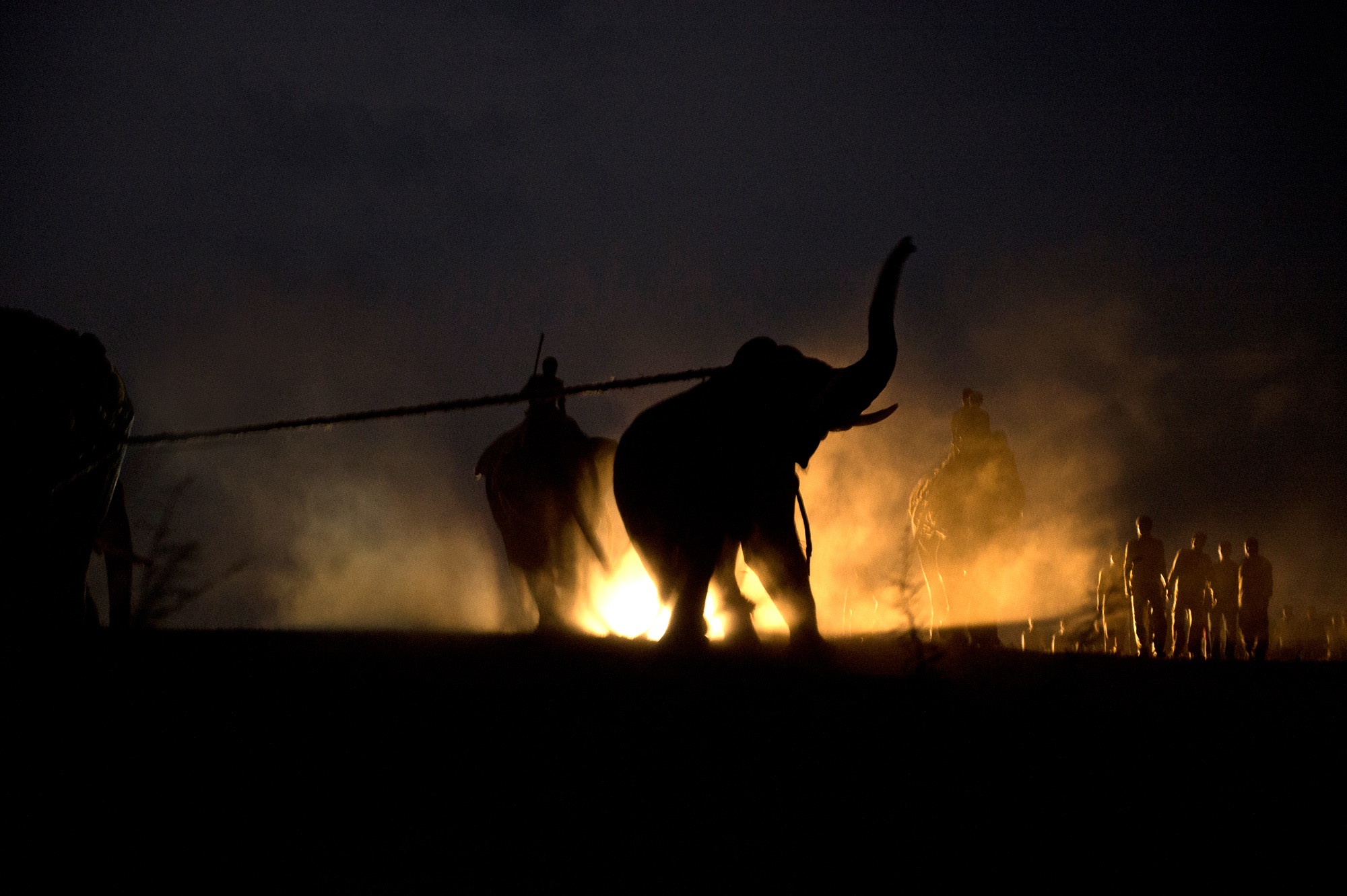
When we read of man-elephant conflict, we agree that "capture" is the most logical solution.
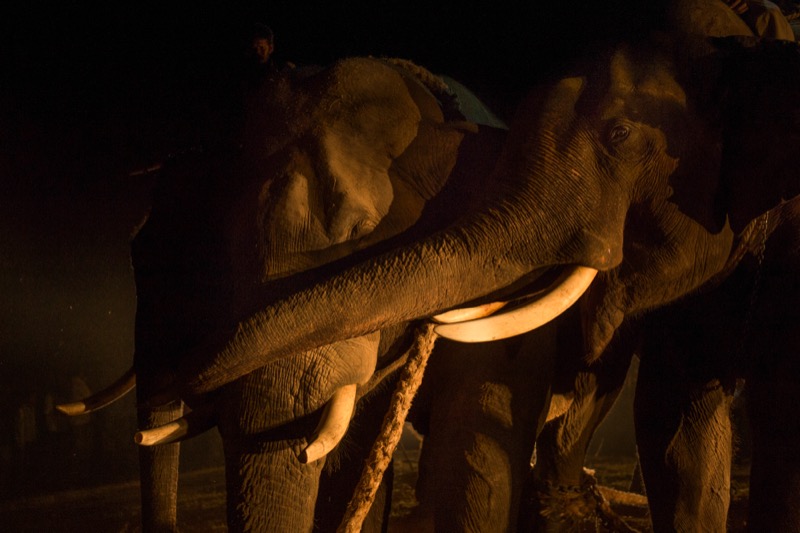
Five tame elephants and a wild tusker clash — and interact in moments of heart-stopping empathy.
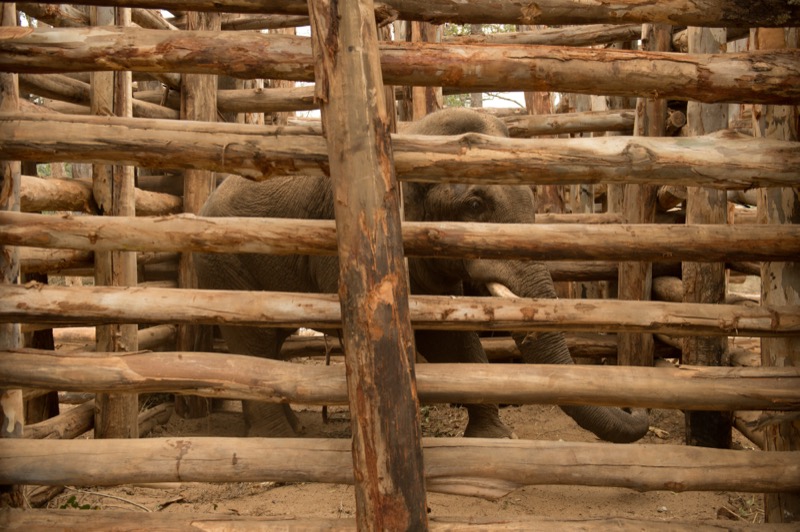
In conflict, there are no winners or losers; there are only survivors.
Shepherds & Grasslands · Dhangar Nomads
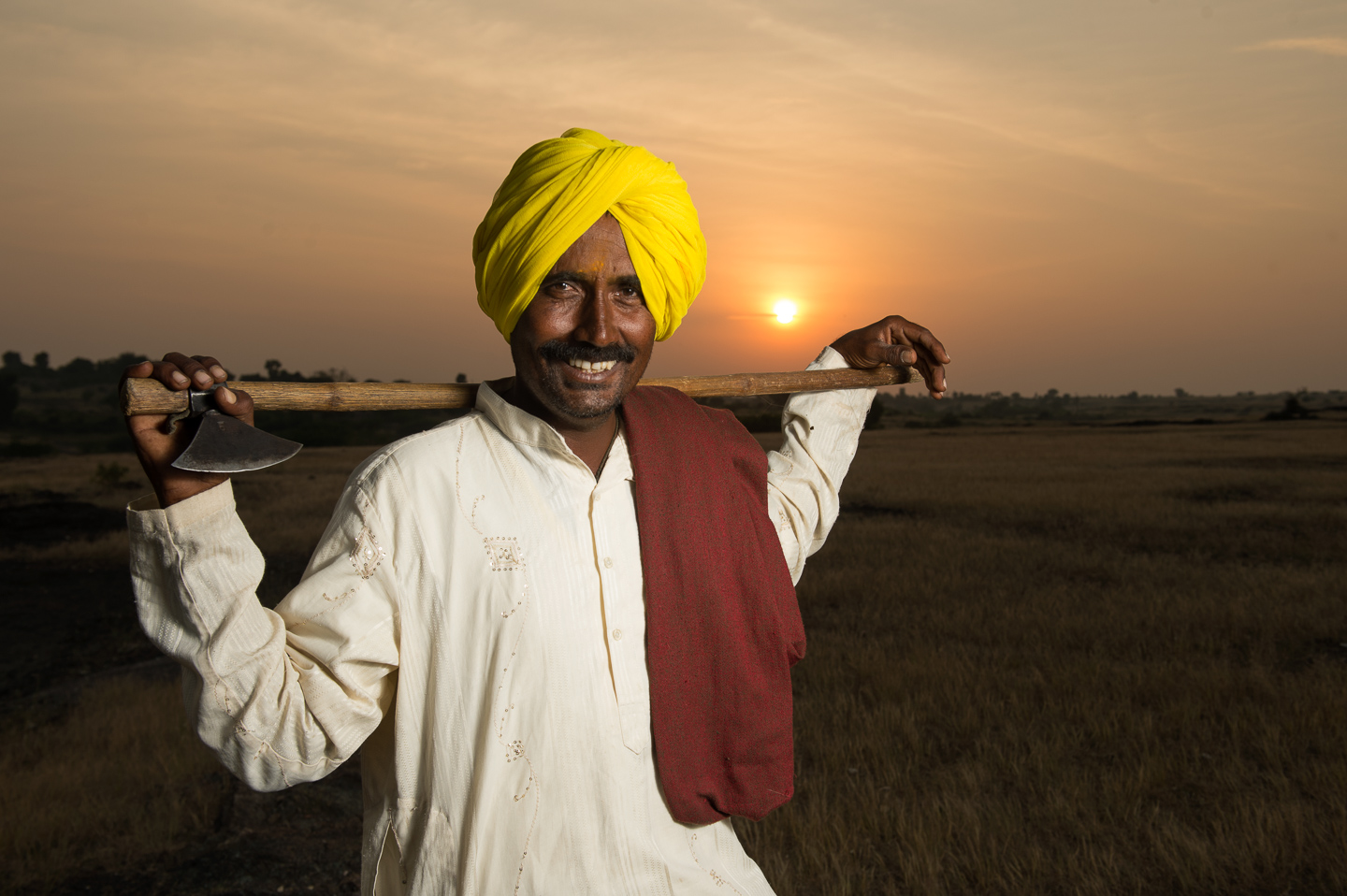
Dhangars are nomadic shepherds who share the landscape with wolves and other wildlife.
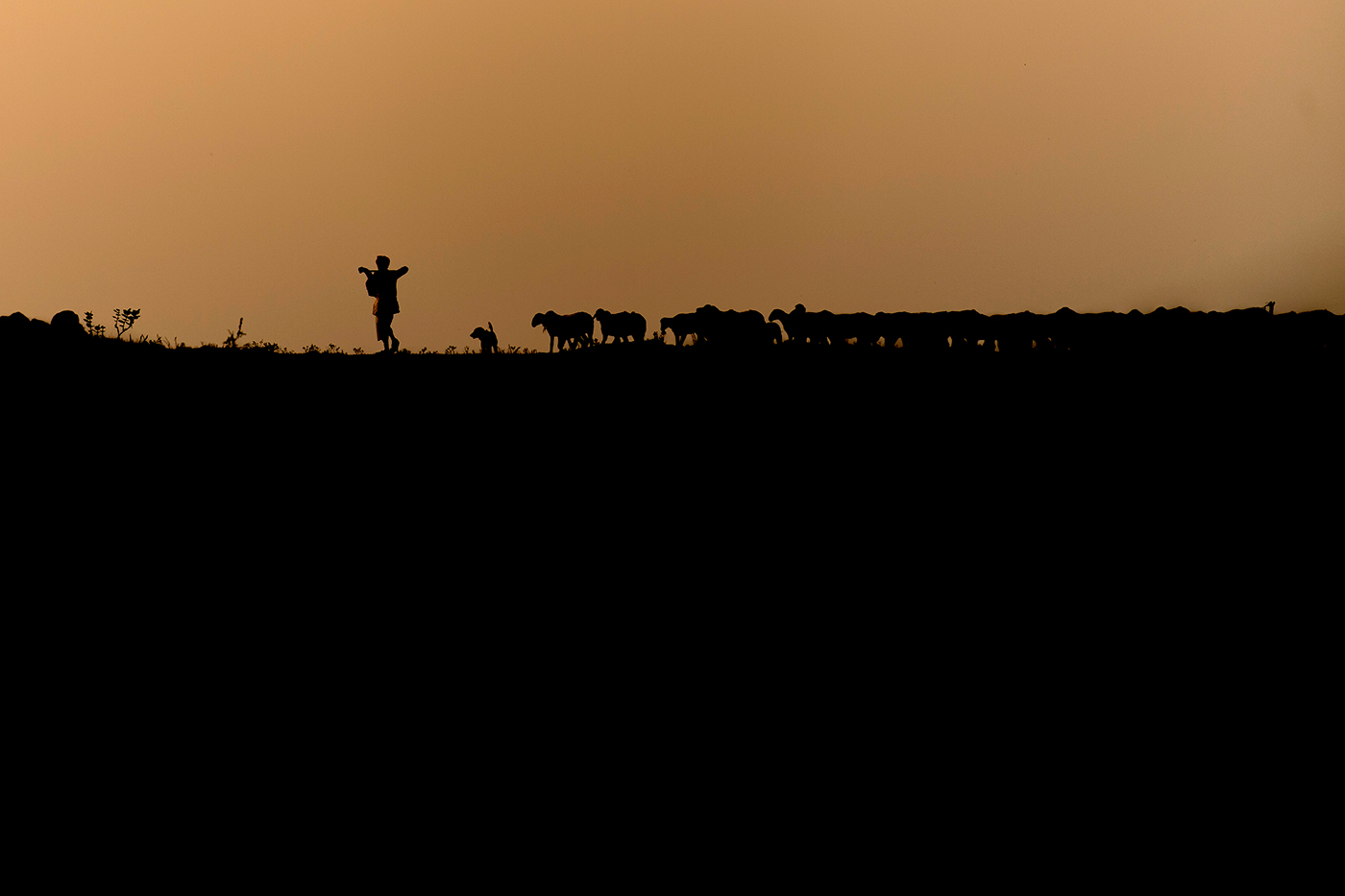
Twice a year, the Dhangars make a 500km migration across central India.
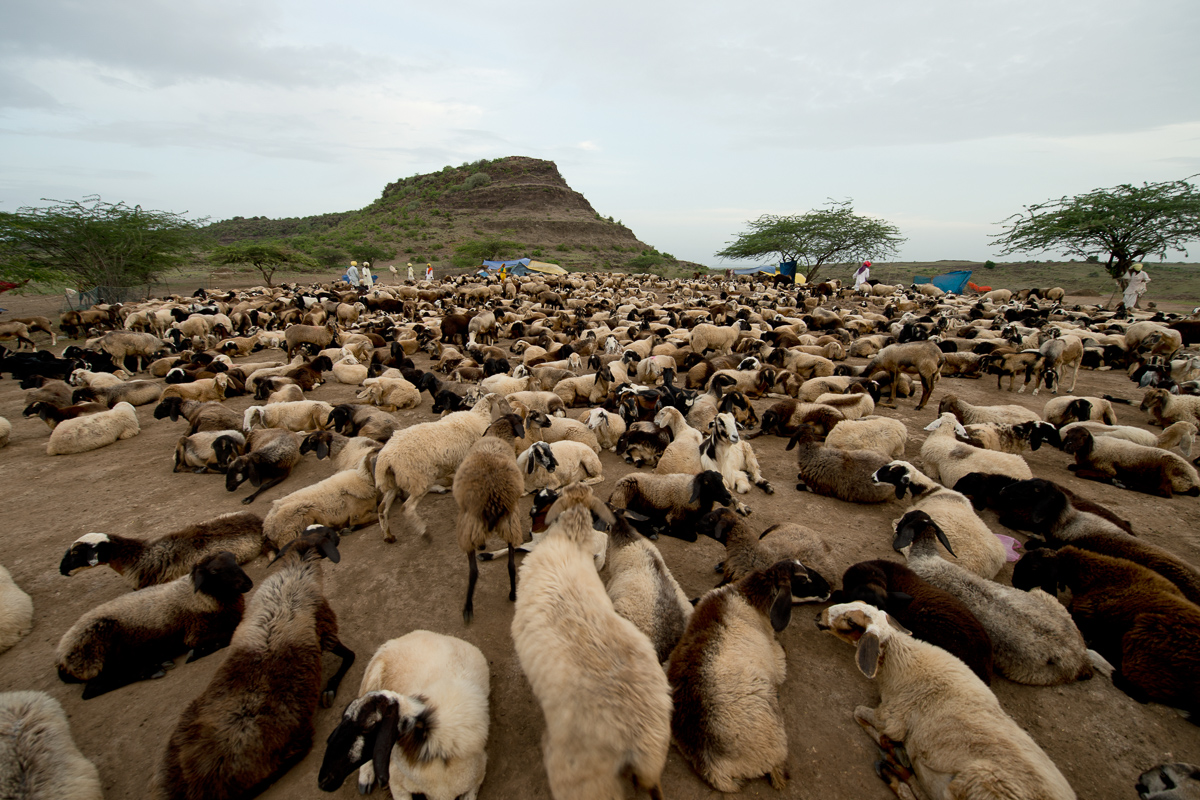
There is a lot of wealth in managing sheep, and no one knows that better than the Dhangars.
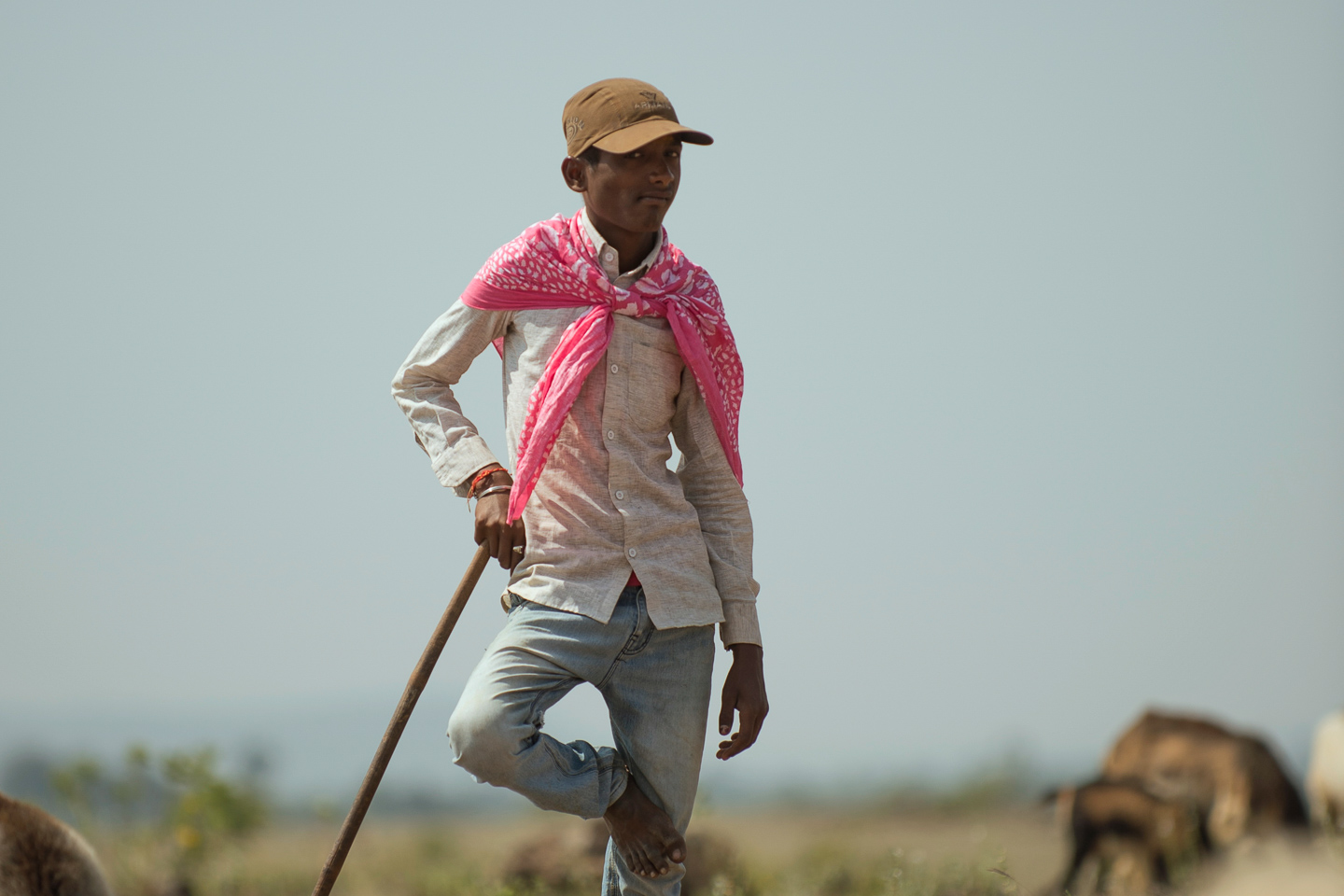
Education is a double-edged sword for the nomadic Dhangars.
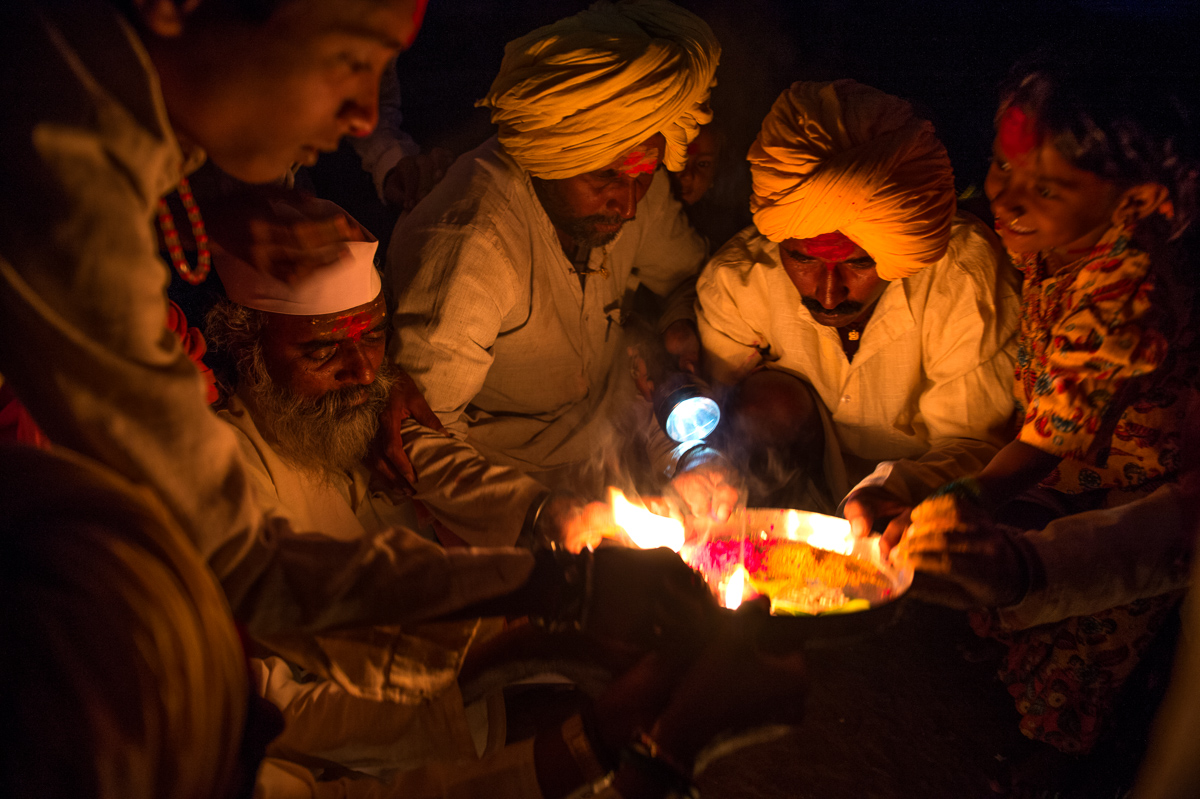
The folk poetry of the Dhangar women — sung on the move, sung in longing.
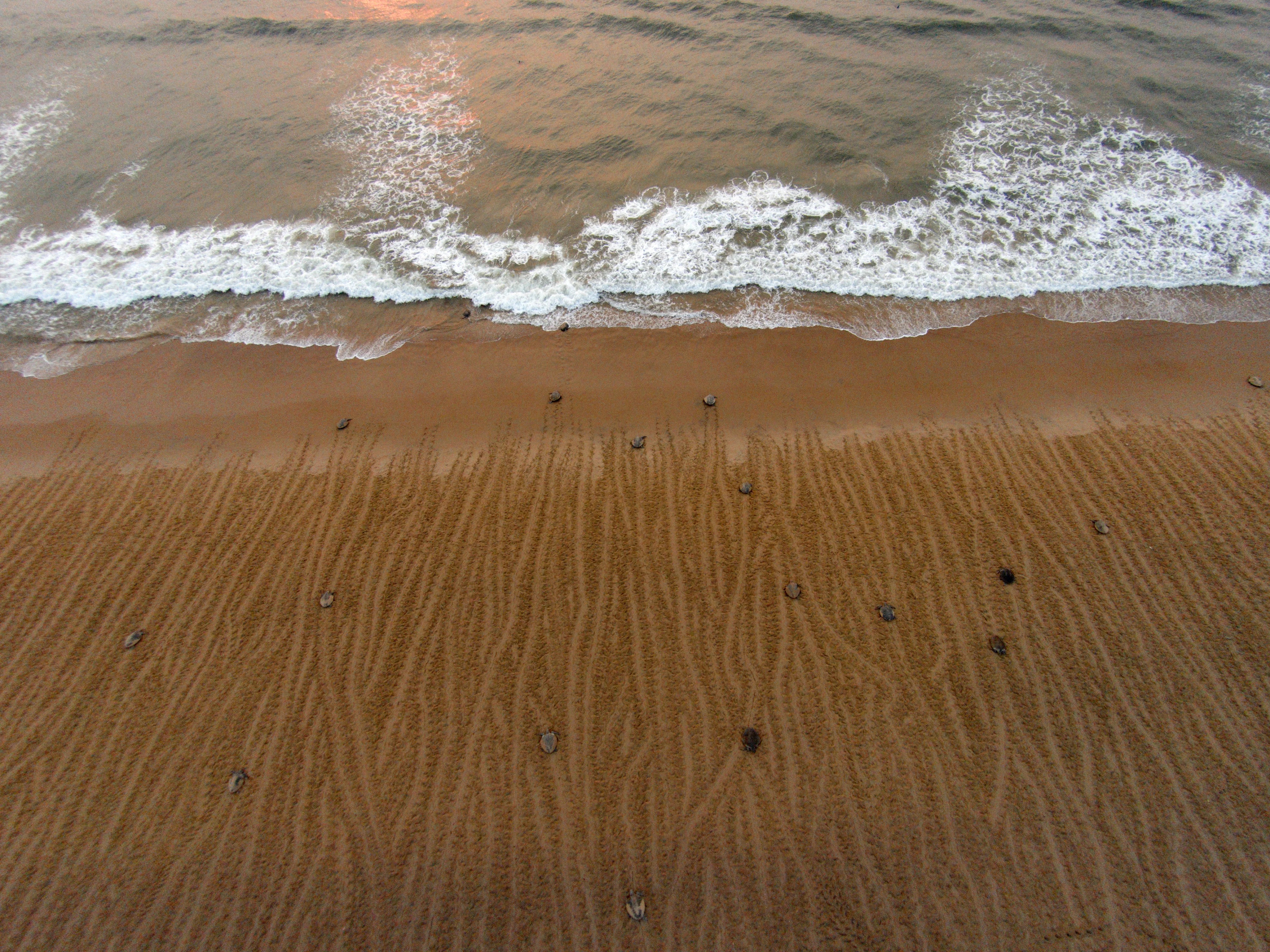
When a Million Turtles Land · Olive Ridley
A Way of Seeing
I have spent much of my working life trying to film India as a lived landscape, not as scenery. The forests, grasslands, coasts, wetlands, villages, farms, and protected areas are not separate worlds here. They touch constantly. People, animals, weather, law, memory, and belief are all part of the same frame.
That is why being an Indian wildlife filmmaker matters to me. Proximity changes the story. You notice different tensions. You understand why a forest boundary is also a political line, why an elephant can be both sacred and feared, why a tiger is never just an animal in a frame. The work is not only to make nature look beautiful. It is to let a place reveal its own logic.
Wild Karnataka began with the belief that an Indian landscape could hold the scale and craft of a blue-chip natural history film without losing its local truth. Co-directed with Amoghavarsha JS, Vijay Mohan Raj, and Sarath Champati, narrated by Sir David Attenborough and scored by Ricky Kej, it won the National Film Award for Best Exploration Film in 2021.
Wild Tamil Nadu takes that idea further inward. Narrated by Arvind Swamy and built around the five classical landscapes of Sangam literature, it treats biodiversity as part of language, culture, and ecological memory. Project Tiger, co-directed with Jonathan Clay, looks at one of the world's most ambitious conservation efforts through science, policy, field protection, and the people who live closest to tiger country.
Alongside my original films, I have worked as a cinematographer and director on more than thirty wildlife documentary productions for BBC Natural History, Netflix, National Geographic, Discovery, Disney+, and Disney Nature, including Our Planet, Life Story, Big Cats, Secrets of Wild India, and Secrets of the Elephants. Those productions sharpened my craft, but they also strengthened my conviction that India's natural history stories are most powerful when they are told with patience, context, and a sense of belonging.
My photography has appeared in National Geographic, The Guardian, BBC Wildlife, GEO, Smithsonian, and Lonely Planet. In 2013, I won the BBC Wildlife Photographer of the Year competition in the Plants category. I also helped build platforms that shape how wildlife storytelling happens in India: India Nature Watch, Nature inFocus, and the Peepli Project.
For more context, there is a public Wikipedia profile, and I share talks, films, and field stories on YouTube.
The best wildlife films do not only show animals. They ask what kind of place made that moment possible, who lives beside it, and what future is being negotiated there. That is the thread running through my work: curiosity before certainty, context before spectacle, and a belief that attention itself can be a form of care.
Read the full biography of wildlife filmmaker Kalyan Varma →
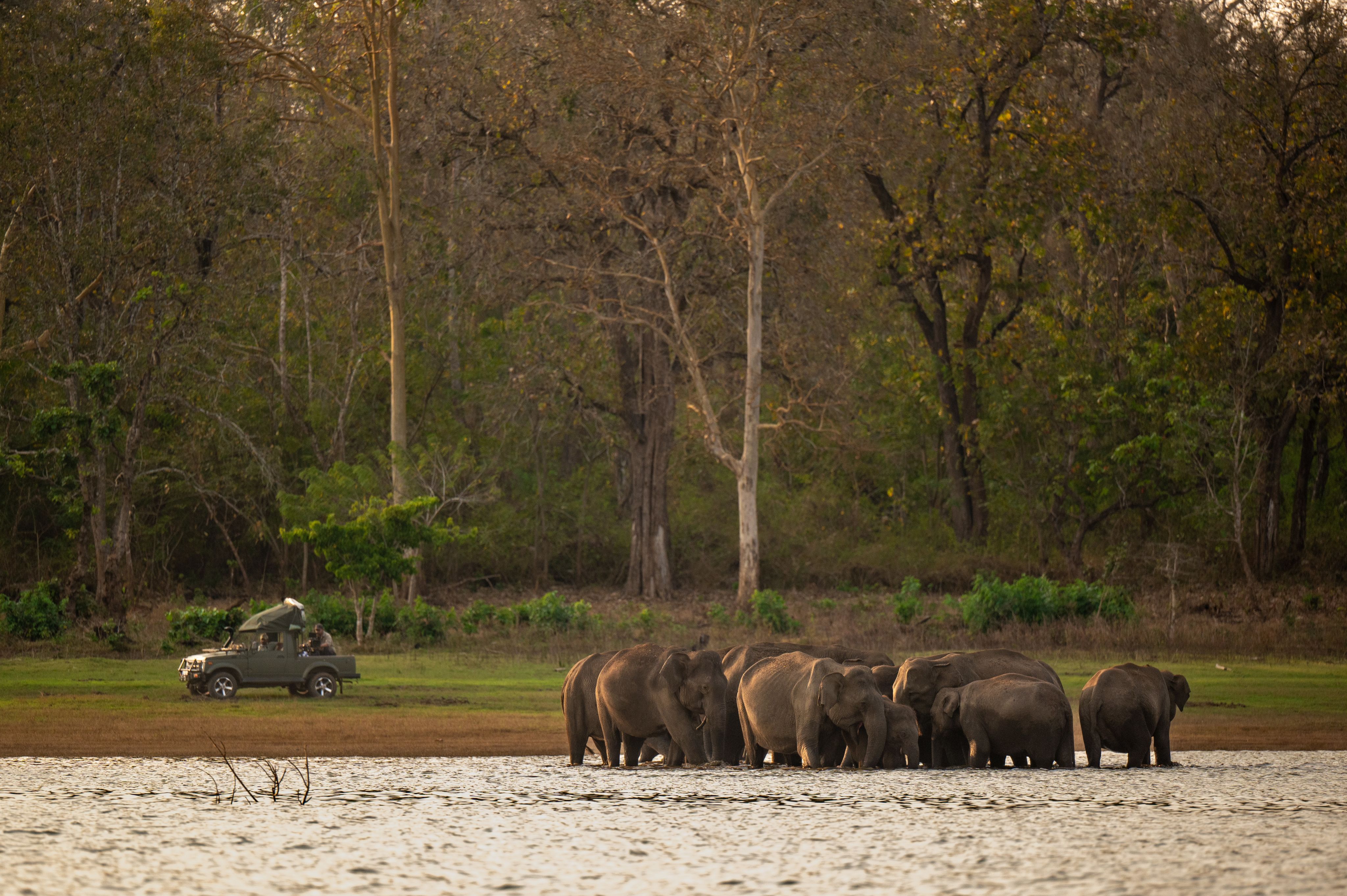
"Wildlife filmmaking for me is ultimately an act of conversation — between culture and nature, curiosity and respect, art and science."
About Kalyan Varma